Signature Learning Experiences
Become the kind of physician that patients and communities need: a compassionate clinician, thoughtful scholar, committed advocate, and ethical professional. At Xavier Ochsner College of Medicine, your medical education is designed to help you belong, grow, and make a difference through medicine.
Start Caring for Patients Earlier
Build early confidence through Emergency Medical Responder training, an immersive introduction to patient care, teamwork, and action in clinical settings.
Learn With and From Communities
Engage with community partners as part of your medical education, connecting classroom learning with real community priorities and peoples’ lived experiences.
Prepare for the Future of Medicine
Learn to incorporate artificial intelligence and emerging technologies thoughtfully, ethically, and effectively as part of patient care and healthcare improvement.
Your Four-Year Journey
Explore how the Xavier Ochsner College of Medicine curriculum moves across four years in two connected phases, from foundational learning to immersive clinical practice.
Phase One | Years 1-2: Building the Foundations of Medicine
In Phase One, students build the scientific, clinical, and professional foundations needed for clinical learning. The curriculum uses a two-pass organ system approach: students first learn normal structure and function, then revisit concepts through disease, diagnosis, and patient care.
Year 1: Understanding Health and the Human Body
Students begin with Emergency Medical Responder training and then focus on foundational biomedical science, early clinical skills, and professional growth.
Year 2: Understanding Disease and Clinical Decision-Making
Students study disease mechanisms, diagnosis, and treatment while advancing clinical reasoning and preparing for clerkships and the United States Medical Licensing Examination (USMLE) Step 1. Students have a six-week dedicated Step 1 study period.
Courses that Span the Curriculum
These courses continue across multiple years, so each one has its own page with the full description and what changes year to year.
Phase Two | Years 3-4: Learning Through Clinical Practice
In Phase Two, students learn primarily through patient care, clerkships, advanced clinical experiences, electives, and residency preparation.
Year 3: Core Clinical Experiences
Students rotate through six-week core clerkships, applying Phase One learning while continuing Art & Profession through reflection, inquiry, and attention to community responsibilities
Year 4: Preparing for Residency
Students take on greater responsibility in patient care through primarily four-week advanced clinical experiences and electives, while continuing Art & Profession as they prepare for residency and future physician leadership.
Courses that Span Phase Two
Art & Profession continues through the clinical years, carrying the same four themes into clerkships, advanced clinical experiences, and residency preparation.
Course Details
Year 1 Courses
Students begin medical school by learning how to respond to acutely ill or injured patients before Emergency Medical Services arrive. This four-week foundational course introduces direct patient care from the first days of the curriculum through Basic Life Support certification, case-based learning, simulation, hands-on skills training, and clinical ambulance shift. Students develop early skills in patient assessment, teamwork, communication, scene safety, basic airway management, bleeding control, and initial emergency care. By the end of the course, students are prepared to initiate life-saving interventions and build a foundation for future clinical skills, patient-centered care, and professional growth. The course also prepares students for eligibility for Louisiana Emergency Medical Responder certification.
Students begin building the scientific foundation for medical practice by exploring the molecular and cellular mechanisms that support human health. Across three integrated blocks, the course examines biochemistry, genetics, cell biology, microbiology, immunology, hematology, and the ways cells, tissues, and organ systems work together to maintain homeostasis. Through large-group learning, small-group discussions, and early clinical application, students connect foundational science concepts to patient care and clinical reasoning. Students are also introduced to biostatistics and epidemiology, developing skills to interpret medical evidence, understand population health trends, and apply data to healthcare decision-making. By the end of the course, students are prepared to apply molecular and cellular principles to future organ-based coursework and the study of health and disease.
In this course, students build an integrated understanding of the normal structure and function of the human body through the study of anatomy, physiology, histology, embryology, nutrition, and medical imaging. Across five organ system blocks, students explore how the body develops, functions, and maintains health while preparing to recognize the changes that lead to disease. Through lectures, laboratories, small-group activities, and independent learning, students connect foundational science concepts with emerging clinical applications and diagnostic interpretation. Instruction in biostatistics and epidemiology further develops students’ ability to evaluate medical evidence, understand population health trends, and apply data-informed thinking to patient care. By the end of the course, students are prepared to begin the formal study of pathology and pathophysiology in subsequent phases of the curriculum.
In Year 1, students begin developing the core clinical skills needed to care for patients, including patient-centered communication, history taking, physical examination, documentation, and early clinical reasoning. Through guided practice, simulation, standardized patients, and early clinical experiences, students build confidence in working with patients and healthcare teams. Students are also introduced to point-of-care ultrasound (POCUS) through the science of ultrasound, imaging modalities, and identification of normal structures.
In Year 1, students begin shaping their professional identity as physicians through learning experiences in ethics, reflective practice, health systems, community engagement, inquiry, learning skills, and well-being. The course helps students become compassionate physicians by underscoring the needs of patients, communities, and the healthcare system. Students also begin a longitudinal community service experience with community partners, connecting classroom learning, reflection, and local health priorities.
Year 2 Courses
In Year 2, students begin the formal study of disease by exploring the pathologic and pathophysiologic processes that disrupt normal health and function. Building on their understanding of normal anatomy and physiology, students learn to recognize abnormal structures, physiologic changes, and laboratory findings that explain the development and progression of disease. Through the integrated study of pathology, pathophysiology, pharmacology, microbiology, laboratory medicine, and medical imaging, students develop a comprehensive understanding of disease mechanisms across a variety of clinical contexts. The course also introduces foundational principles of pharmacokinetics and pharmacodynamics, along with key antimicrobial and antineoplastic therapies. By the end of the course, students are prepared to apply these concepts to organ system–based diseases and further develop their clinical reasoning and diagnostic skills.
In this course, students integrate foundational and clinical sciences to explore the gastrointestinal, genitourinary, cardiovascular, pulmonary, and renal systems in both health and disease. Through large-group and small-group learning experiences, students apply their knowledge of basic science principles to understand disease mechanisms, clinical presentation, diagnosis, and management. The course emphasizes evidence-based medicine, biostatistics, and clinical reasoning while developing students' ability to evaluate and interpret clinically relevant information. Students also examine the social and structural factors that influence health outcomes, helping them understand disease within the broader context of patient and community health. By the end of the course, students are prepared to apply an integrated approach to the assessment and management of common organ system disorders
In this course, students integrate foundational and clinical sciences to examine the endocrine, reproductive, musculoskeletal, dermatologic, and neurologic systems, incorporating the behavioral and psychosocial dimensions of health and disease. Through large-group and small-group learning experiences, students apply their knowledge of basic science principles to understand disease mechanisms, clinical presentation, diagnosis, and management. The course emphasizes evidence-based medicine, biostatistics, and clinical reasoning while developing students' ability to evaluate and interpret clinically relevant information. Students also examine the social factors that influence health outcomes, helping them understand disease within the broader context of patient and community health. By the end of the course, students are prepared to apply an integrated approach to the assessment and management of common organ system disorders.
In Year 2, students continue to advance their clinical skills as they study disease, diagnosis, and patient care. Building on the foundations of Year 1, students strengthen their communication, physical examination, documentation, clinical presentation, and diagnostic reasoning skills while learning to recognize abnormal findings and develop assessment and plan frameworks. Students build on their point-of-care ultrasound foundation by applying POCUS to recognize abnormal findings and support diagnosis of disease states. Through simulation, standardized patients, clinical experiences, and guided practice, students prepare for the transition to clerkships and increasingly complex patient care.
In Year 2, students deepen their professional identity formation while preparing for the responsibilities of clinical training. Through continued work in ethics, health systems, community engagement, inquiry, reflection, learning skills, and well-being, students connect the study of disease and clinical decision-making with the broader responsibilities of physicians to patients, communities, and healthcare systems. Students continue their longitudinal community service experience, working with community partners to better understand local priorities, build trust, and reflect on how physicians can collaborate with communities to improve health outcomes.
In Year 2, students build upon their preclinical and organ system coursework to develop the skills needed to assess, diagnose, and manage patients with complex, multisystem conditions. Through case-based learning, students integrate knowledge from the biomedical and clinical sciences to distinguish normal physiologic function from disease processes affecting multiple organ systems. Learners practice constructing differential diagnoses, selecting and interpreting diagnostic tests, and applying evidence-based treatment strategies, including pharmacologic management. Large-group sessions, small-group discussions, and independent learning activities emphasize clinical reasoning, scientific integration, and the practical application of foundational concepts. The course concludes with comprehensive assessment, individualized learning planning, and reflection on students’ growth and preparation for the transition to clinical training.
Year 3 Courses
In this two-week course, students prepare for the clinical learning environment through focused instruction, simulation, and small-group activities designed to support the transition from classroom-based learning to patient care. The course reinforces clinical expectations, communication, supervision, professionalism, and practical skills students will use throughout their clerkships.
Students care for patients in outpatient settings while developing skills in prevention, chronic disease management, health promotion, and continuity of care. This clerkship emphasizes patient-centered communication, clinical reasoning, and understanding the role of primary care in improving individual and community health.
Students participate in the care of hospitalized adults with complex medical conditions, applying foundational science and clinical reasoning to diagnosis, management, and treatment planning. The clerkship emphasizes history taking, physical examination, oral presentation, clinical documentation, teamwork, and evidence-based care.
Students learn the principles of surgical care through experiences in inpatient, outpatient, and operating room settings. The clerkship introduces preoperative, operative, and postoperative care while helping students develop procedural skills, clinical judgment, communication, and an understanding of the surgeon’s role on the healthcare team.
Students participate in the care of infants, children, and adolescents across inpatient and outpatient settings. The clerkship emphasizes growth and development, preventive care, acute and chronic pediatric illness, communication with children and families, and advocacy for child health.
Students learn to care for patients across the topics of reproductive health, pregnancy, childbirth, and gynecologic care. Through inpatient, outpatient, and procedural experiences, students develop skills in patient-centered communication, preventive care, clinical assessment, and advocacy in women’s health.
Students explore the diagnosis and management of neurologic conditions, pain syndromes, and perioperative care. The clerkship introduces neurologic examination, interdisciplinary care, pain management, anesthesia-related concepts, and clinical reasoning for patients with acute and chronic neurologic or pain-related conditions.
Students learn to care for patients with mental health conditions, substance use disorders, serious illness, and complex psychosocial needs. The clerkship emphasizes communication, mental status assessment, supportive counseling, patient-centered decision-making, and compassionate care for patients and families.
In this four-week elective at the end of Year 3, students have dedicated elective time to explore career interests beyond the core clerkship curriculum. This experience helps students clarify specialty interests, deepen clinical exposure, and begin shaping their path toward residency.
During Year 3, students continue Art & Profession while immersed in clinical care. Through reflection, community engagement, inquiry, and professional development, students connect their clerkship experiences with their growth as ethical, compassionate, and community-responsive physicians.
Year 4 Courses
Students further develop their clinical skills by caring for undifferentiated and acutely ill patients in emergency, critical care, and trauma settings. The course emphasizes rapid assessment, diagnostic prioritization, resuscitation, communication in high-stakes environments, and teamwork in acute care.
Students take on advanced clinical responsibilities in a medical or surgical setting, working more closely in the role of an entering resident under supervision. This immersive experience strengthens patient management, clinical reasoning, communication, documentation, and readiness for graduate medical education.
Students complete an additional acting internship in an area aligned with their career interests. This experience allows students to deepen specialty-specific skills, assume greater responsibility in patient care, and prepare for the expectations of residency training.
Electives give students flexibility to explore specialties, pursue areas of personal and professional interest, strengthen residency preparation, and deepen clinical or scholarly experiences. Electives may help students refine career goals and broaden their preparation for future practice.
Students explore the roles physicians play as educators, leaders, and administrators in academic medicine and healthcare. This course introduces how teaching, curriculum, leadership, and systems-based decision-making intersect with clinical care and the work of improving healthcare.
Students prepare for the transition from medical student to resident physician. The course reinforces practical skills, communication, clinical responsibility, and professional expectations needed for the first days of residency.
In the final year, students continue Art & Profession with emphasis on leadership, reflection, residency preparation, community responsibility, and professional identity formation. Students consider how they will carry the Xavier Ochsner College of Medicine mission into residency and future practice.
Program Outcomes
Our Medical Education Program Objectives (MEPOs) define what every Xavier Ochsner College of Medicine graduate is expected to know, do, and value at the point of graduation. They are organized into nine core competencies that shape the curriculum, teaching, and assessment across all four years.
Download the approved MEPOs (PDF) ↓ (Approved by the Curriculum Committee, February 2026)
Nine Core Competencies
Demonstrates integrity, respect, and ethical reasoning, and promotes inclusion of differences in all interactions to improve health care for patients, communities, and populations.
- Interacts with patients, caregivers, families, and team members in a respectful and compassionate manner.
- Safeguards patient privacy, confidentiality, and autonomy.
- Uses ethical principles and reasoning to guide behavior.
- Demonstrates accountability by recognizing personal limits or errors, taking responsibility for them, and seeking appropriate help.
- Completes duties and tasks in a thorough, reliable, and timely manner.
Demonstrates compassionate, effective, holistic evidence informed, equitable and patient centered care.
- Gathers relevant patient histories from multiple data sources, as necessary.
- Performs relevant physical examinations using appropriate techniques and tools.
- Constructs and ranks differential diagnoses, selects appropriate hypothesis-driven diagnostic tests, and interprets results to guide clinical decision making.
- Formulates appropriate diagnostic and therapeutic management plans, incorporating health promotion and disease prevention, for commonly encountered clinical conditions.
- Uses patient-centered language to describe common diagnostic and therapeutic interventions and plans.
- Demonstrates basic procedural techniques.
Applies and integrates foundational knowledge to improve health care for patients and populations.
- Demonstrates integrated understanding of biomedical, clinical, behavioral, social and health systems science, and applies it to clinical problem-solving, diagnostic reasoning, and decision-making.
- Accesses and critically evaluates clinical information using appropriate resources to inform patient care.
- Synthesizes evidence to answer clinical questions and guide practice.
- Seeks and accesses information relevant to clinical problems using appropriate resources, including emerging technologies.
Integrates feedback, evidence, and reflection to adapt behavior, foster improvement, and cultivate lifelong learning.
- Develops, implements, and reassesses learning and improvement goals through informed self-assessment and reflective practice by incorporating feedback and assessment data to support continuous growth and curiosity.
- Locates, critically appraises, and synthesizes information to support evidence-informed, patient centered clinical decisions.
Practices collaborative communication with patients, caregivers, and the health care team to contribute to high-quality, patient-centered care.
- Collaborates with patients, caregivers, and team members to enhance the therapeutic relationship.
- Collaborates with health care and administrative team members to enhance team and organizational function.
- Demonstrates active listening.
- Communicates clearly, accurately, and compassionately in verbal, nonverbal, written, and electronic formats, adjusting communication style and approach based on patient needs, clinical setting and cultural considerations.
- Educates patients, families and healthcare team members using evidence-based strategies
- Formulates and shares feedback constructively with others.
Applies knowledge of the larger context of health, including its social and structural determinants, and of systems and resources within and outside of health care, to optimize high-quality care for patients, communities, and populations.
- Adapts performance to various health care teams, delivery settings, and systems.
- Collaborates effectively across disciplines and care settings to ensure safe, timely, and patient-centered transitions of care, communicating essential information during handoffs and care coordination to maintain continuity and reduce errors.
- Evaluates the risks and benefits of using current and emerging technologies in patient care, ensuring safe and effective integration into clinical practice.
- Identifies patient safety concerns and actively participates in strategies to prevent harm, including system-based interventions that apply principles of quality improvement by using data to identify gaps in care, implement evidence-informed changes, and reassess outcomes.
- Recognizes the impact of health care policy and economics on patient care delivery and services.
- Describes the financial structures that influence health care delivery, including reimbursement models, cost containment strategies, and resource allocation, incorporating cost-awareness into clinical decision-making to optimize value-based care without compromising quality or equity.
Demonstrates the intellectual curiosity necessary for scientific discovery through active participation in research.
- Demonstrates understanding of the scientific method, research ethics, and responsible conduct of research.
- Critically evaluates existing scientific literature to identify gaps in knowledge and formulates high-quality research questions and hypotheses to advance scientific inquiry.
- Applies basic biostatistics, epidemiologic methods, and data interpretation in scholarly inquiry.
- Design and present a scholarly project with relevance to clinical practice, public health, or health systems.
Promotes the fair treatment and full participation of all people, particularly groups who have historically been underrepresented or subject to discrimination on the basis of identity, disability or socioeconomic status.
- Demonstrates cultural humility, mitigates personal bias, and communicates respectfully to build trusting relationships with various patients and communities.
- Elicits and integrates patients’ social context, values, preferences, and lived experiences into clinical assessment and shared decision-making.
- Demonstrates awareness of social determinants of health and individual, social, and structural factors that produce variations in health, access to care, and outcomes.
- Applies information about individual patients, populations, and communities, including local needs, barriers, and available resources, to improve health outcomes and promote equity.
- Collect individual patient data, population health information, and relevant community‑level determinants of health, and integrate these factors to modify and personalize patient care plans.
- Address patients in a respectful way that builds rapport, communicate medical information using plain language appropriate to the patient’s health literacy level, and verify patient understanding using a structured method.
Demonstrates resilience, perseverance, self-awareness, organizational awareness, mental and emotional stability, time management required to sustain lifelong personal and professional growth.
- Recognizes and addresses personal well-being needs, emotional and physical, that may impact professional performance by utilizing resources/support structures.
- Recognize the impact one’s own physical and emotional health has on professional conduct including integrity, patience, empathy and quality of patient care.
- Demonstrates comfort with ambiguity as part of clinical health care; respond by utilizing appropriate resources to deal with uncertainty.
- Cultivates professional meaning and joy through self-reflective practices.
What Makes Xavier Ochsner College of Medicine Different?
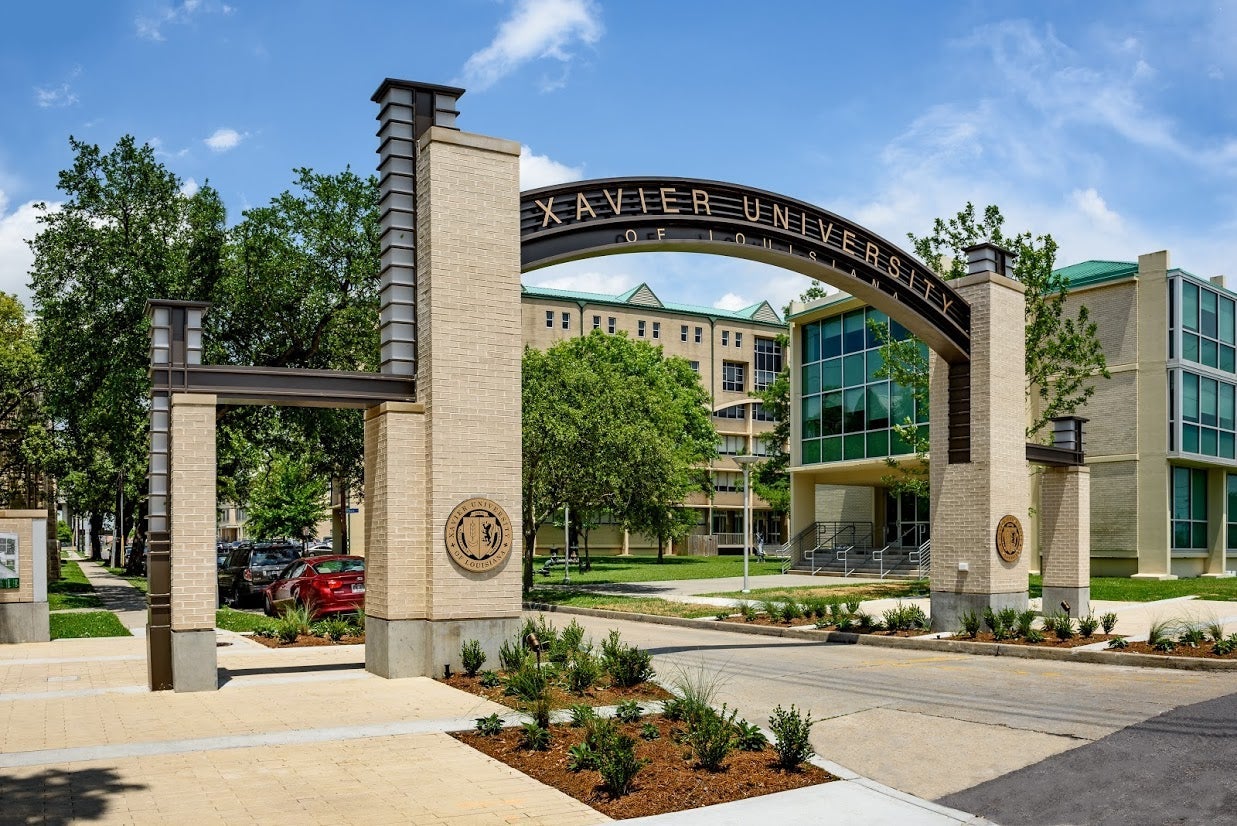
Xavier University of Louisiana’s Legacy of Excellence, Extended Through The College of Medicine's Commitment to Improving Health Outcomes
Learn within Xavier's tradition of educational excellence and service while preparing at the Xavier Ochsner College of Medicine to improve health outcomes through medicine, community partnership, and innovation.
A Learning Environment Connected to Ochsner Health
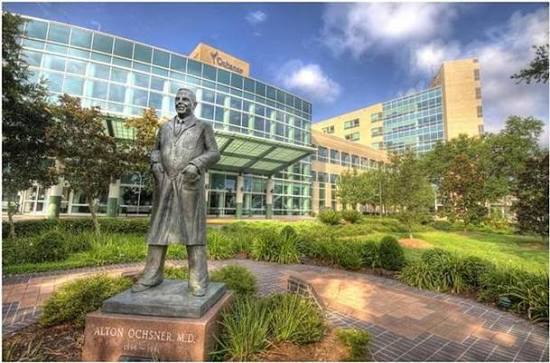
Train at a leading institution in the Gulf South for medical education, in a supportive clinical environment with hands-on learning. From year one, training is integrated with interactions with physicians, residents, fellows, healthcare teams, and patient populations from communities throughout the Gulf South.
Deep Community Partnerships
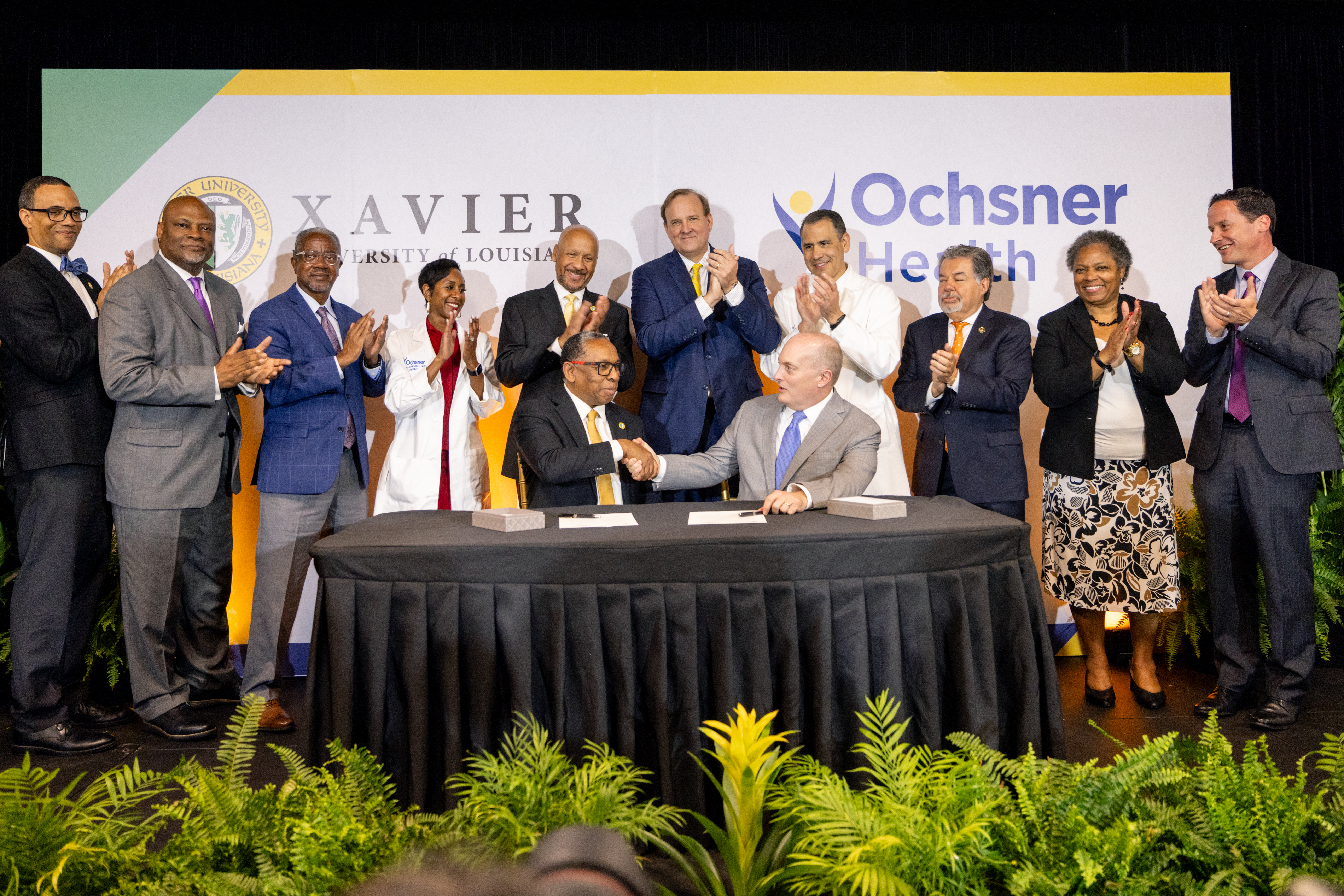
Build relationships with communities and community organizations while learning how physicians can listen, collaborate, and respond to local priorities and health needs.
A Curriculum Built for Modern Medicine
Develop the habits of inquiry, adaptability, teamwork, and responsible technology use needed to practice in a changing healthcare landscape.